
Create a Wallet
Understand what a wallet controls before creating a new one.
Learn more →A multi-chain wallet, blockchain network and Web3 knowledge hub from imtoken
Manage assets across multiple networks, understand network differences before a transfer, inspect addresses and fees, connect to DApps with explicit permission checks, and build habits for wallet security. imtoken brings product usage and network knowledge into one practical path.
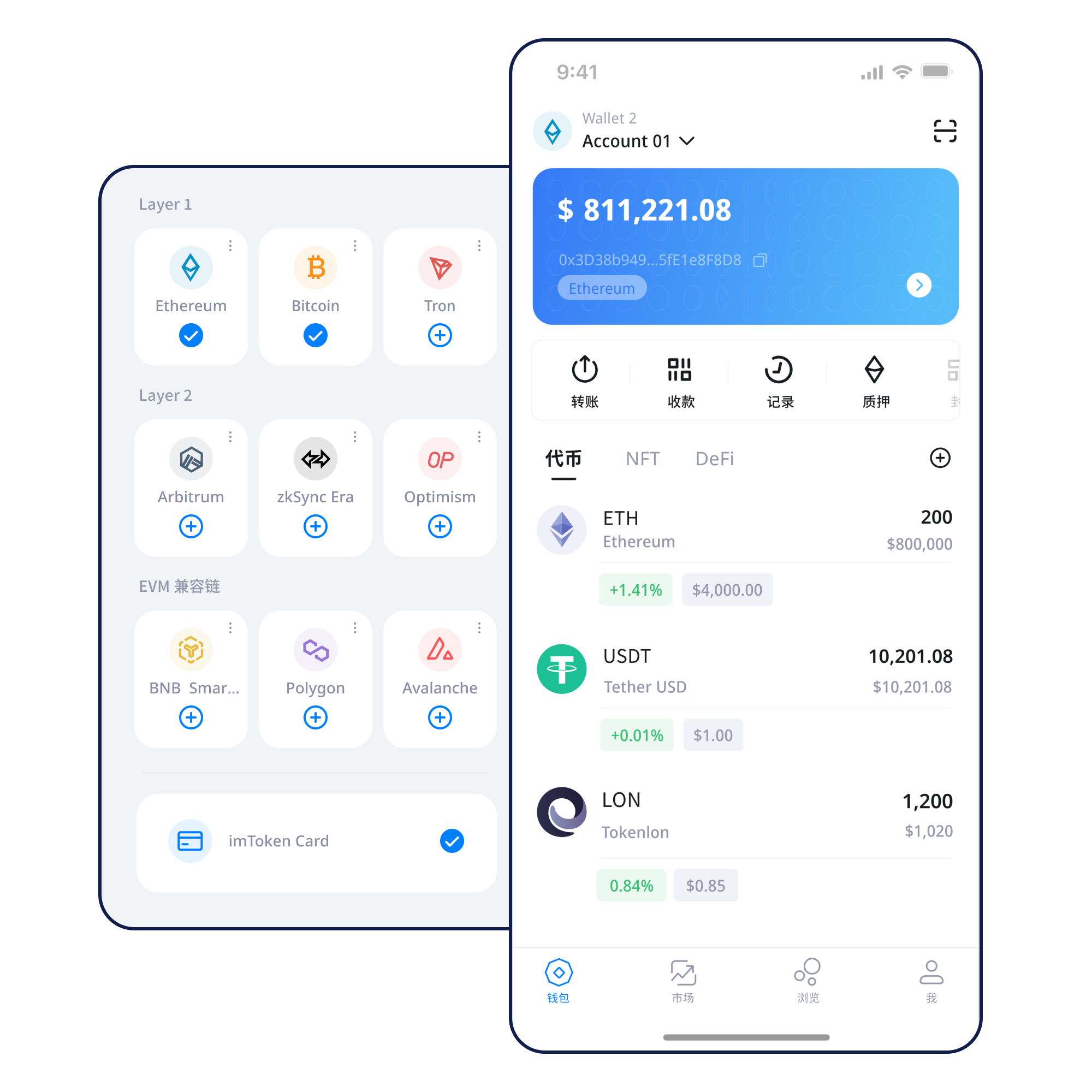
Each task starts with the checks that matter before an on-chain action.
Understand what a wallet controls before creating a new one.
Learn more →Keep seed phrases offline and verify your backup process.
Learn more →Confirm the receiving address and network before sharing it.
Learn more →Review address, network, amount and gas before confirming.
Learn more →Verify the domain and review every request independently.
Learn more →Compare networks, check addresses and understand confirmations before moving assets.
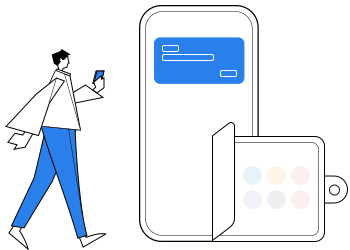
Use the mobile wallet to manage networks, view assets and inspect transaction history.
Address, network, amount, gas and transaction hash form one complete verification chain.
Read the guide →Browser connections should keep account requests, approvals and disconnecting clearly separated.
Learn about Web access →Keep seed phrases and private keys under your own control, and review approvals that are no longer needed.
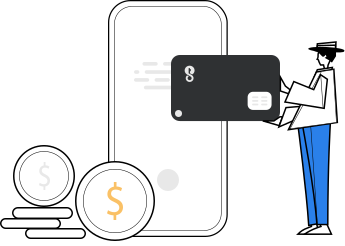
The same wallet can interact with multiple networks. Always identify the active chain before interpreting balances, addresses or transaction state.
Explore multi-chain concepts →Public chains record transactions through network rules that can be inspected with block explorers.
EVM-compatible networks can look similar while remaining separate chains with different gas assets and state.
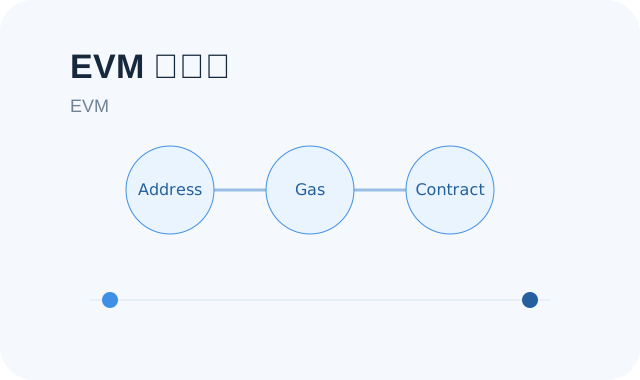
Cross-layer transfers may involve bridges, waiting periods and different confirmation rules.
Gas, congestion, block inclusion and contract execution all influence the final result.
Understand confirmations →Use the unified download entry and keep the package source clear.
Understand whether you are creating new control or restoring existing control.
Keep the seed phrase offline and never disclose the private key.
Check the network before interpreting an address or balance.
Review destination, amount, gas and network before confirmation.
Keep the transaction hash and remove approvals you no longer need.
Connecting a wallet does not mean you should accept every signature or approval that follows.
Seed phrases and private keys remain under the user’s control. Do not send them to anyone, and do not treat a familiar interface as proof that a request is safe. Review address, network and amount before transfers, inspect each signature, and manage token approvals that are no longer needed.
Open Security Center →Before the first transfer, learn how addresses, seed phrases, private keys, networks, gas, transaction hashes, DApps and token approvals relate to one another. These concepts are connected: the network determines the transaction context, the address identifies an account or contract, gas pays for execution, and signatures express permission.
Start learning →Understand Ethereum PoS, validators, reward sources, withdrawals and exits before evaluating participation.
Read the staking guide →Staking does not guarantee returns. Rewards can change; validators may face penalties; exits can involve waiting; smart contracts and third-party services introduce technical risk; and digital asset prices can move significantly.
Understand validators →Navigation and learning paths continue to focus on practical wallet tasks and clearer network checks.
A connected wallet should still review each later request independently.
Sensitive credentials remain under the user’s control and should never be submitted to websites or support chats.
Transaction state, gas and balances should always be interpreted in the context of the correct network.
A wallet manages addresses, signing and on-chain interactions. Asset records live on blockchains; the wallet helps users view state and initiate actions.
A seed phrase can usually restore control of the corresponding wallet. Keep it offline and do not screenshot, upload or share it.
No. Official personnel should never request a private key, seed phrase or verification code.
The same address format can appear on different networks, while balances and transactions belong to a specific chain.
At minimum, verify the destination address, network, amount, gas and intended recipient. For higher-value transfers, consider a small test first.
Gas is the fee mechanism used for transaction or contract execution. Its level depends on network rules and congestion.
A transaction hash identifies a public on-chain transaction and can be used in a block explorer to inspect status and confirmations.
The download action is always initiated by you.